Monthly Archives: July 2012

Beat The Heat Tip

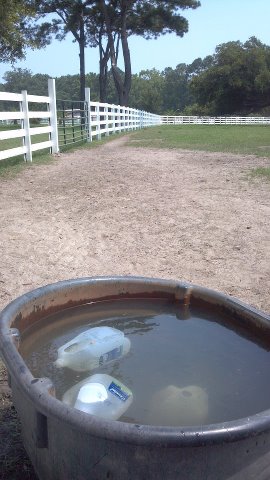
Here’s a great idea from the American Competitive Trail Horse Association on how to keep your horses water cool in the Texas heat.  Just freeze gallon jugs of water and place them in the horse’s water tanks. Remove the caps as a safety precaution.   
The Horse | Beat the Heat

More good advice from The Horse Online on helping your horse through the heat of the summer:


As tough as steamy summers can be on humans, they can be even tougher on horses. That’s because instead of choosing how they’ll deal with the heat, horses often have to depend on us to make the right management choices for them.

For advice on making those choices, we’ve turned to two equine veterinarians practicing in Florida, where heat plus humidity can deliver a double whammy to horses. At the University of Florida, in Gainesville, Amanda House, DVM, Dipl. ACVIM, is an assistant professor in the veterinary school and a state extension specialist. And Heather Farmer, DVM, owner of Equine Performance Veterinary Practice, in Lake County, Fla., tends to equine competitors that must work and perform throughout the summer.

via The Horse | Beat the Heat.

via The Horse | Beat the Heat.

Water Requirements In Horses

The Horse online provides some valuable information for horse owners on factors affecting the water requirements of equines.

The Horse | Understanding Horses’ Water Requirements

Water is one of the essential nutrients a horse needs to perform a number of life-support functions, including digestion and thermoregulation. Especially with the hot summer weather prevalent in much of the country, it’s important to ensure horses have access to water at all times.

As horse owners, we know it’s important to provide free-choice water to horses at all times, but it is also imperative that the water is of good quality, clean, and palatable.

A number of circumstances can lead a water deficiency in horses, including unpalatable taste, lack of water offered, or loss of thirst due to exertion. The effects of insufficient water intake include decreased performance, decreased feed intake, dehydration, and eventually, if not remedied, death.

On average, a typical 1,100-pound horse at maintenance consumes four to nine gallons of water per day. The amount of water a horse requires can vary depending upon several factors:   (Continue Reading By Clicking Link)

via The Horse | Understanding Horses’ Water Requirements.

Blister Beetle Alert

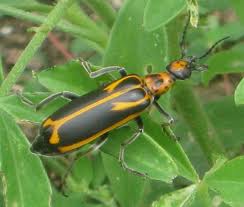
North Texas veterinarians are urging horse owners to keep pastures and fence lines mowed and cleared of blossoming weeds.

The excessive grasshopper infestation in North Texas is attracting blister beetles to the area in pursuit of grasshopper eggs, which they feed on.

Blister beetles also feed on several types of blossoming weeds that may be found in local pastures. Accidental ingestion of blister beetles by a grazing horse can cause severe blister beetle poisoning and/or death to the horse.